When it comes to writing, one of the most fundamental decisions an author must make is the narrative voice. This choice can significantly impact the reader’s experience and the story’s overall feel. Two of the most common narrative voices are first person and third person. Each has its unique characteristics and advantages, and understanding these differences is crucial for effective storytelling.
The first person narrative is told from the perspective of a character within the story, using pronouns like ‘I’ and ‘me’. This voice creates an intimate and personal connection with the reader, allowing them to experience the story through the eyes of the narrator. On the other hand, the third person narrative is told from an outside perspective, using pronouns like ‘he’, ‘she’, and ‘they’. This voice provides a broader view of the story, enabling the author to explore multiple characters’ thoughts and feelings.
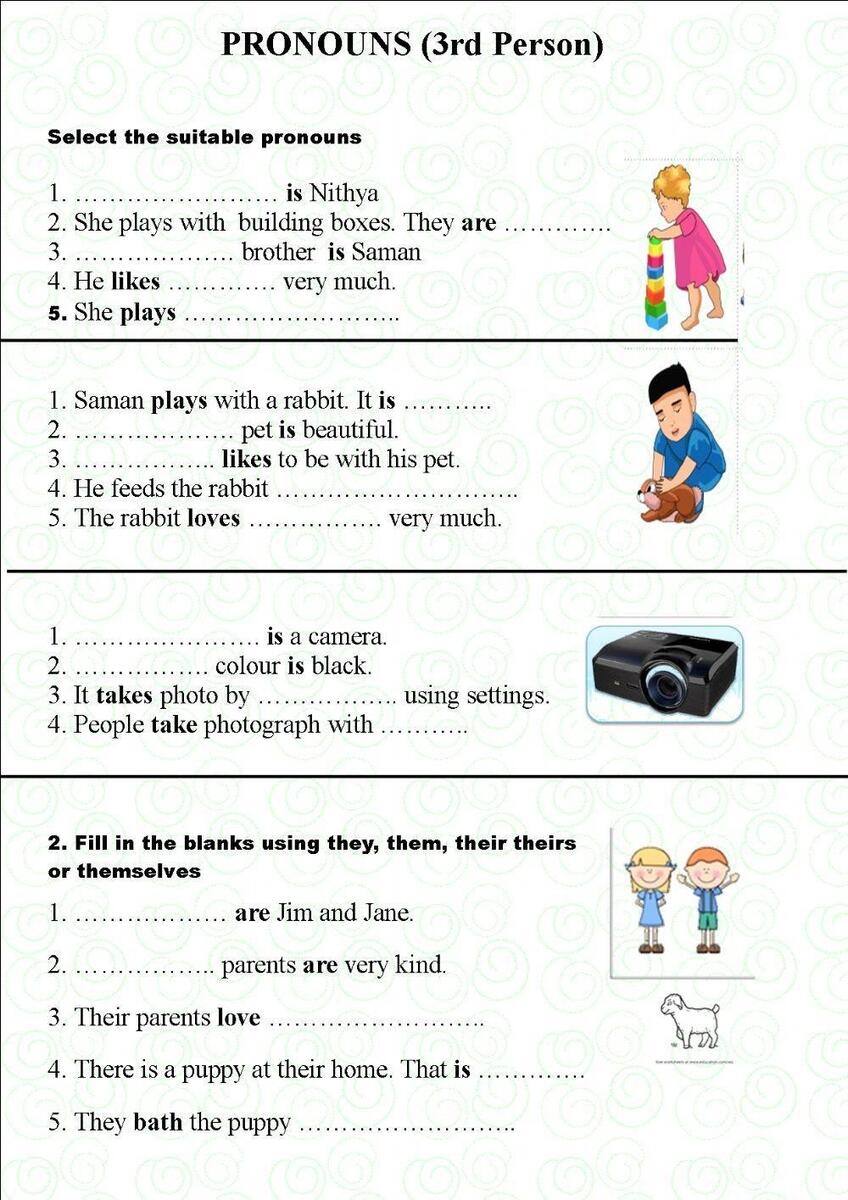
What Is 1st 2nd 3rd Person Written In Third Person Worksheets Library
Understanding First Person Narrative
The first person narrative offers a deep dive into the protagonist’s mind, allowing readers to understand their motivations, fears, and desires directly. This can create a strong bond between the reader and the character, making the story more engaging and relatable. However, it can also limit the scope of the story, as the narrator can only provide information they are aware of. Authors must carefully consider these aspects when choosing the first person narrative for their story.
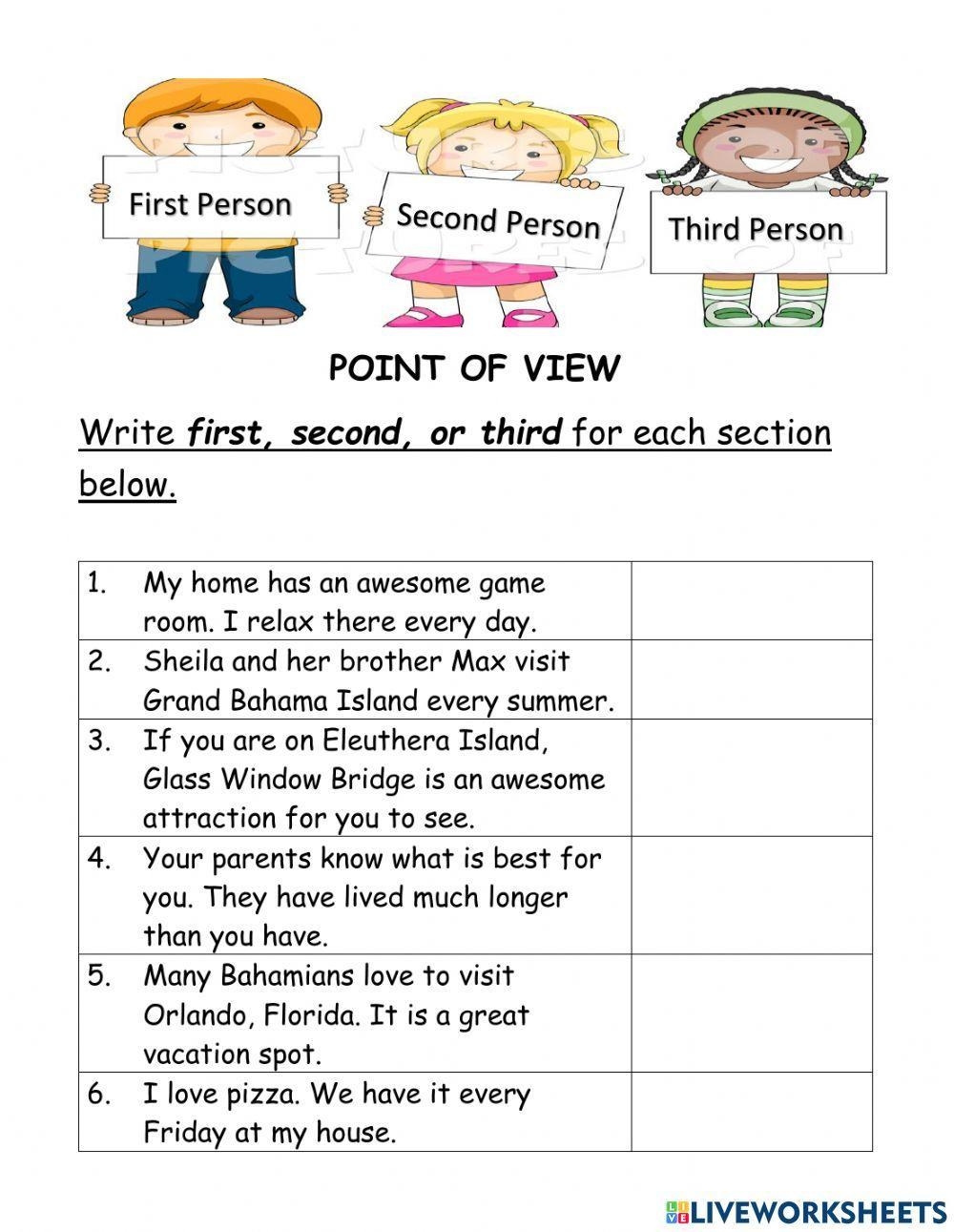
First And Third Person Point Of View Worksheet Practice Exercises And Examples
Exploring Third Person Narrative
In contrast, the third person narrative provides flexibility and versatility. It can be further divided into limited, omniscient, and free indirect styles, each offering a different level of insight into the characters’ thoughts. The third person voice is particularly useful for stories with multiple plotlines or characters, as it allows the author to seamlessly switch between different perspectives. Nonetheless, it can sometimes feel less personal than the first person narrative, potentially distancing the reader from the characters.
Practicing with Printable Worksheets
To help writers and students grasp these concepts and practice using them effectively, printable worksheets are invaluable tools. These worksheets can include exercises such as writing short stories in both first and third person, converting a passage from one narrative voice to the other, and identifying the narrative voice used in a given text. By working through these exercises, individuals can develop a clearer understanding of when to use each narrative voice and how to switch between them smoothly.
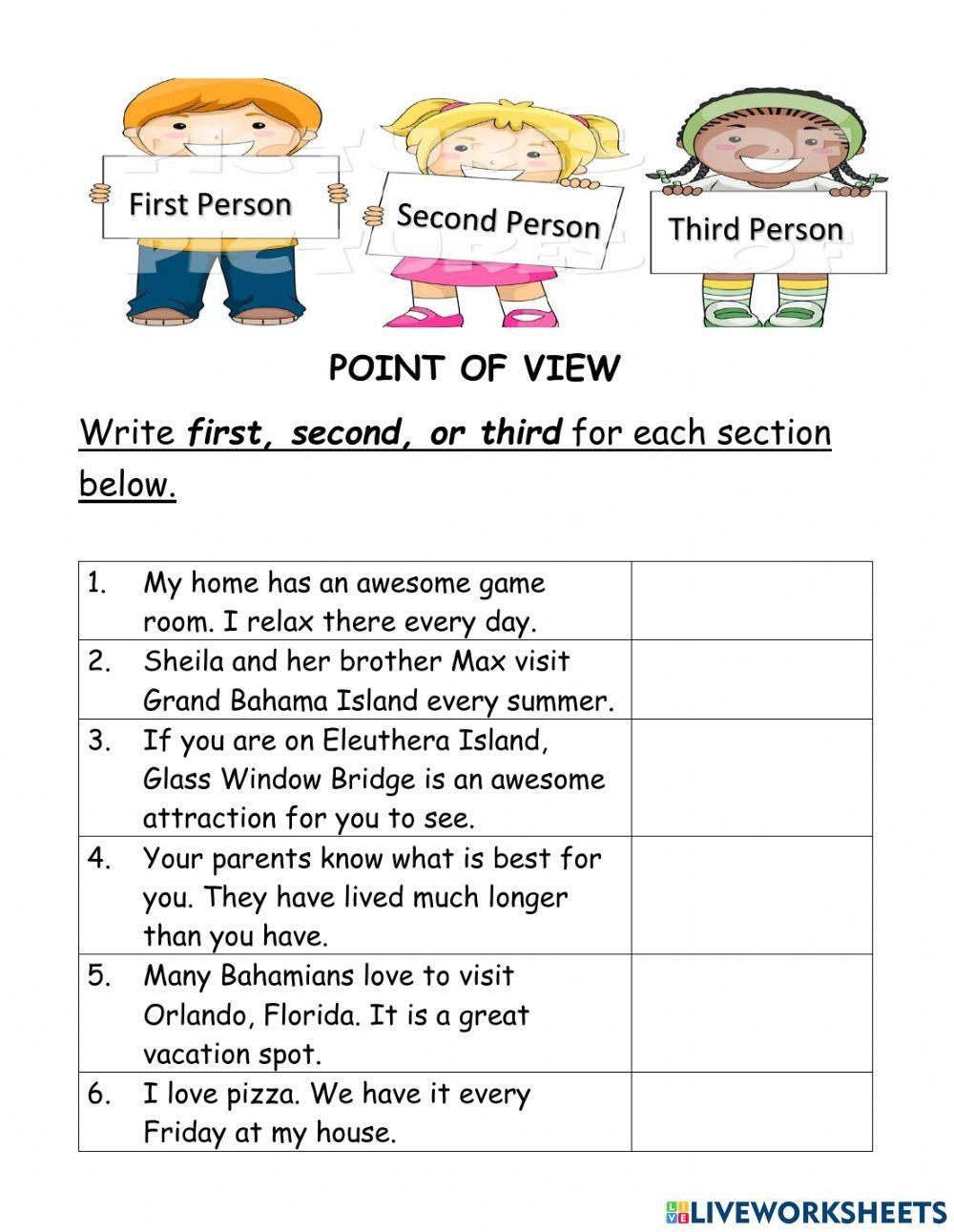
First And Third Person Point Of View Worksheet Practice Exercises And Examples
In conclusion, mastering the use of first person and third person narrative voices is essential for any writer. With the aid of a printable first person vs third person worksheet, practicing and perfecting these skills becomes more accessible. Whether you’re a seasoned author looking to refine your technique or a student seeking to improve your writing abilities, understanding and practicing with these narrative voices will undoubtedly enhance your storytelling capabilities.
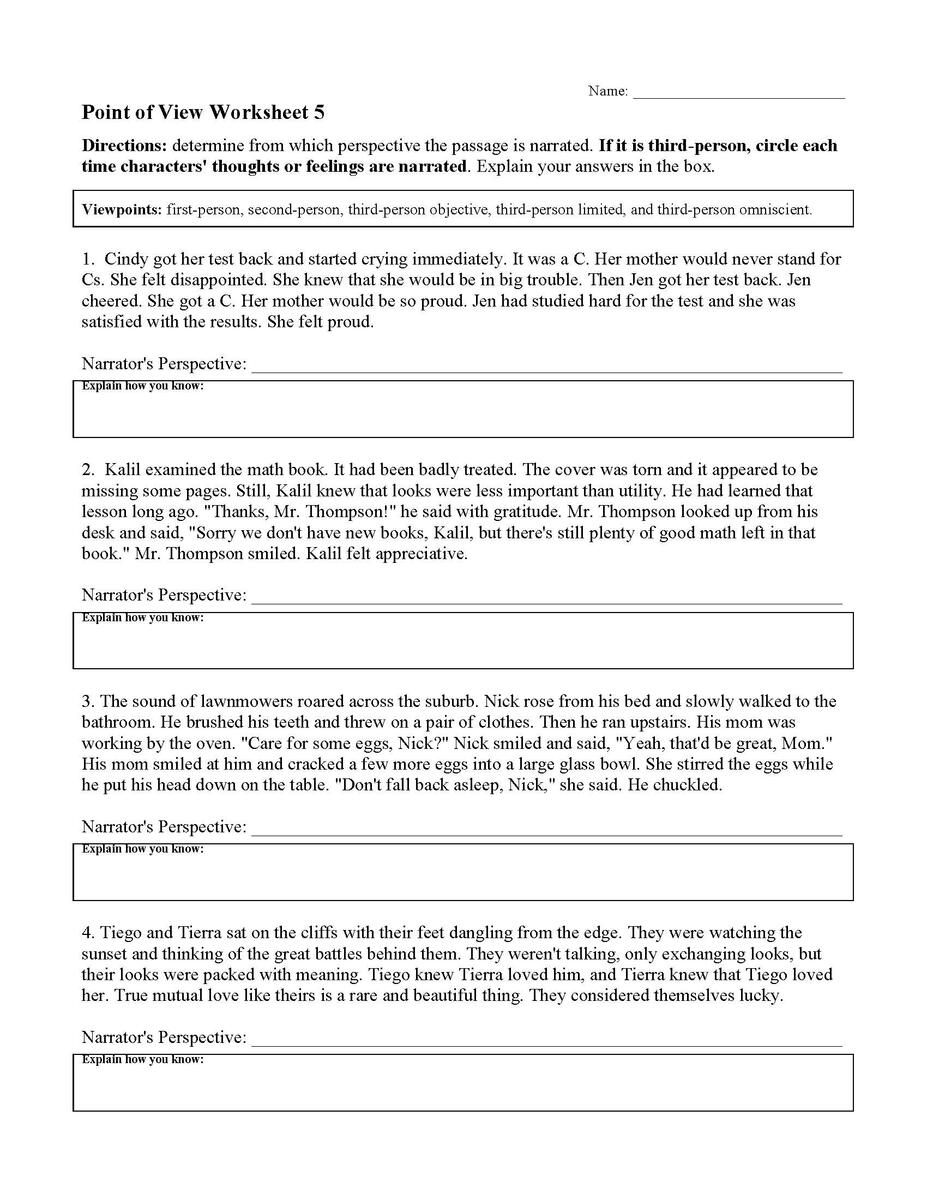
Point Of View Worksheets Reading Activities
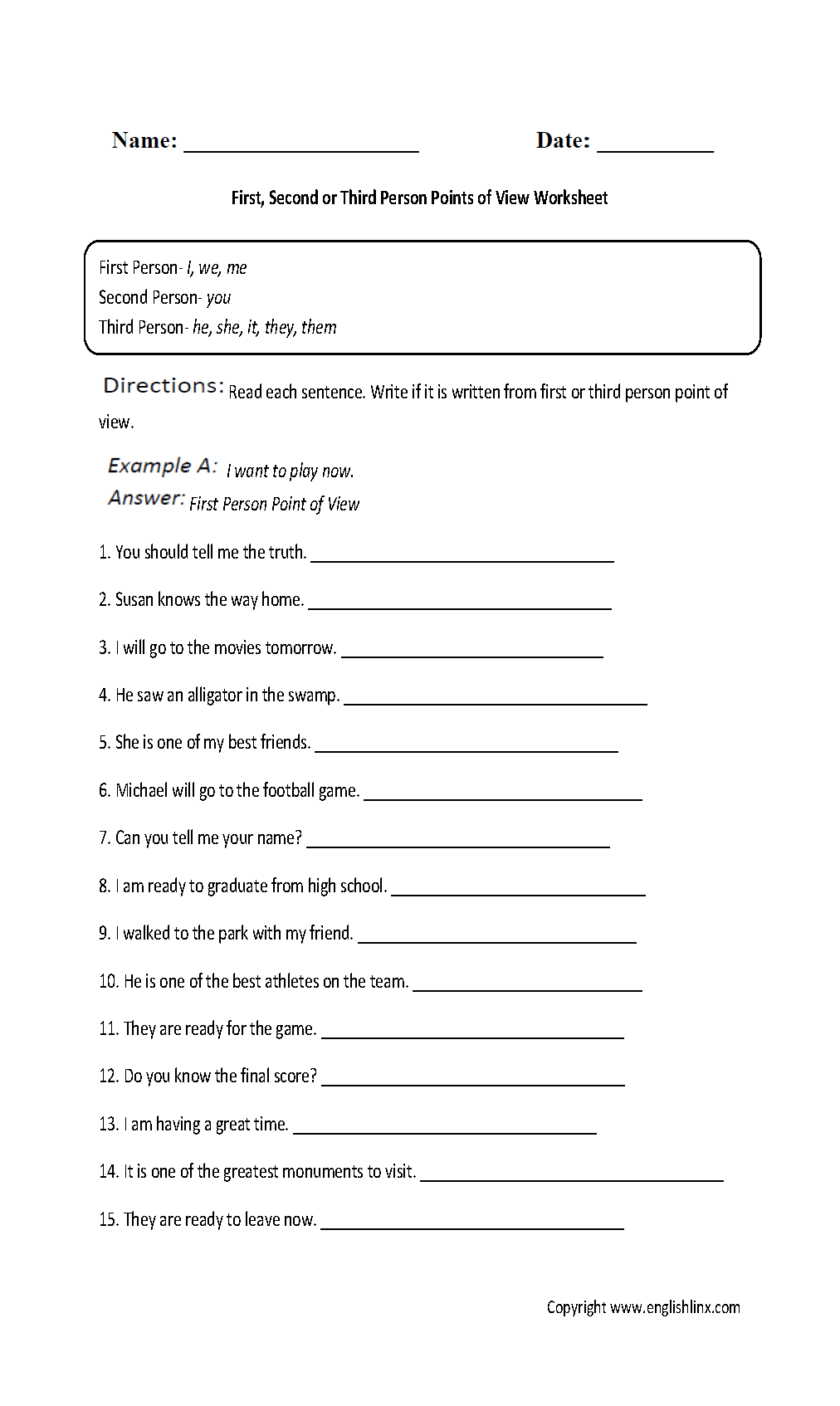
Englishlinx Point Of View Worksheets