Cnidarians are a group of marine animals that include jellyfish, corals, and sea anemones. They are characterized by their simple, multicellular body structure and their ability to sting and capture prey. Despite their simplicity, cnidarians have a unique and fascinating anatomy that has evolved to thrive in a variety of aquatic environments.
The study of cnidarian anatomy is important for understanding the biology and ecology of these organisms. By examining the structure and function of cnidarian bodies, scientists can gain insights into their evolution, behavior, and interactions with their environment. Additionally, the study of cnidarian anatomy has practical applications in fields such as marine conservation and aquaculture.
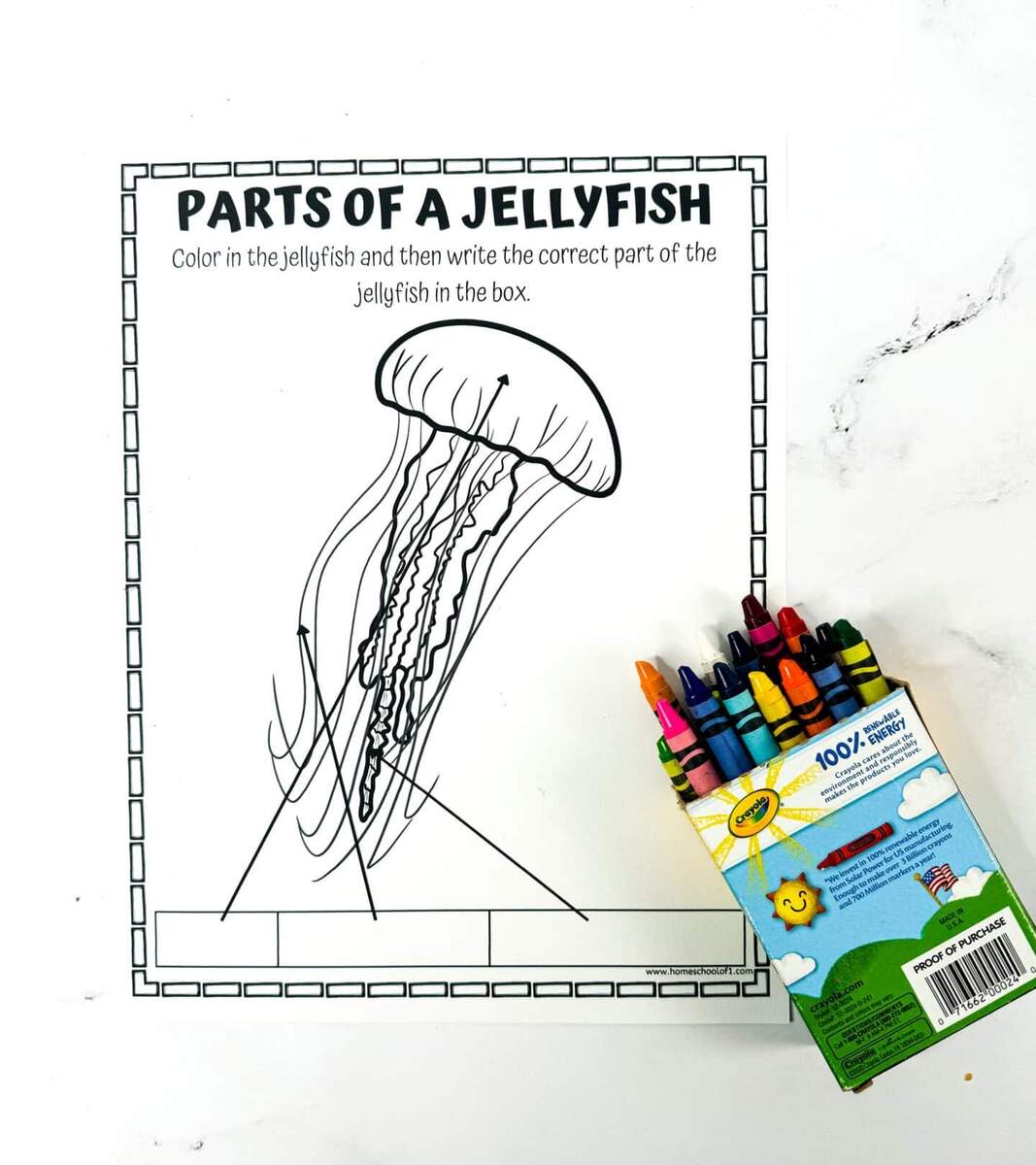
Free Parts Of A Jellyfish Worksheet
Introduction to Cnidarian Anatomy
Cnidarian anatomy is composed of several key components, including the bell, tentacles, and oral arms. The bell is the main body of the cnidarian, and it is typically shaped like a bell or a umbrella. The tentacles are long, thin structures that extend from the bell and are used for capturing prey and sensing the environment. The oral arms are short, finger-like structures that surround the mouth and are used for feeding and manipulating food.
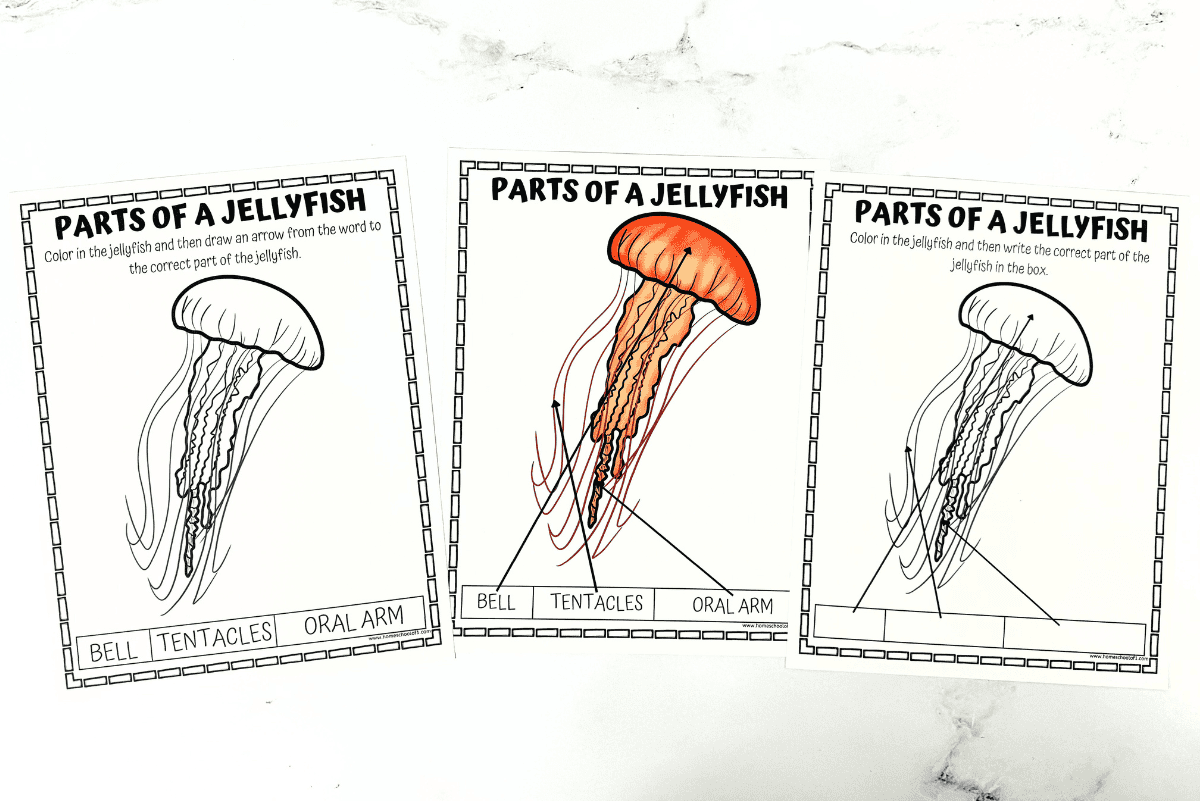
Free Parts Of A Jellyfish Worksheet
Understanding Cnidarian Body Structure
The body structure of cnidarians is designed for efficient feeding and capture of prey. The tentacles are covered in stinging cells called cnidocytes, which are used to immobilize prey and defend against predators. The oral arms are lined with tiny, hair-like structures called cilia, which are used to move food towards the mouth. The bell is also lined with cilia, which are used to create currents and bring food towards the oral arms.
Exploring Cnidarian Anatomy Diagrams and Coloring Worksheets
Cnidarian anatomy diagrams and coloring worksheets are valuable tools for learning about the structure and function of these organisms. Diagrams provide a detailed and accurate representation of cnidarian anatomy, and can be used to identify and label different components of the body. Coloring worksheets are a fun and interactive way to learn about cnidarian anatomy, and can be used to reinforce learning and promote understanding.
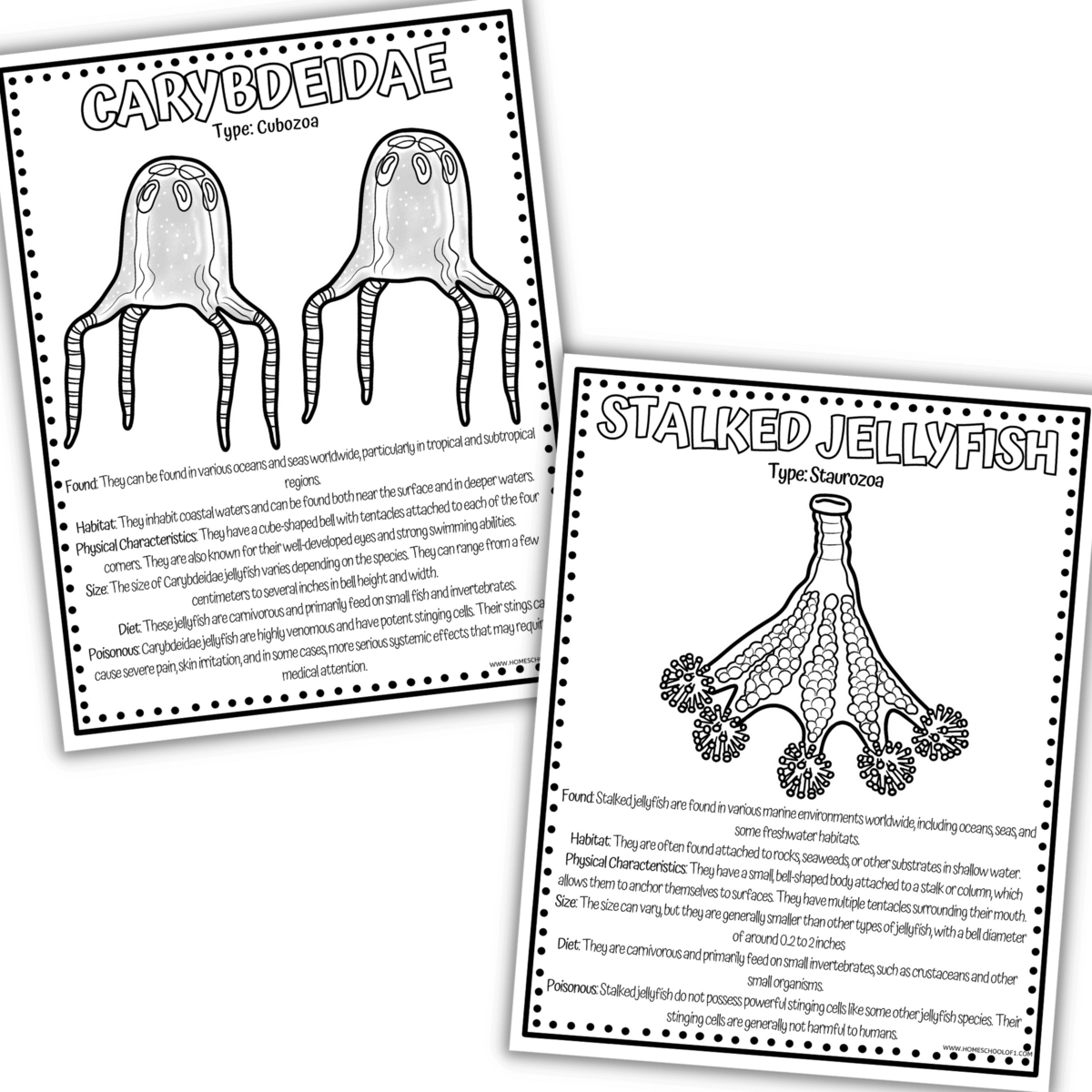
Cnidarians Jellyfish Worksheets
By using cnidarian anatomy diagrams and coloring worksheets, students and educators can explore the fascinating world of cnidarians in a engaging and interactive way. These resources can be used in a variety of educational settings, from elementary school to university, and can be tailored to meet the needs of different learners. Whether you are a student, educator, or simply someone interested in learning about cnidarians, these resources are a great way to start your journey of discovery.
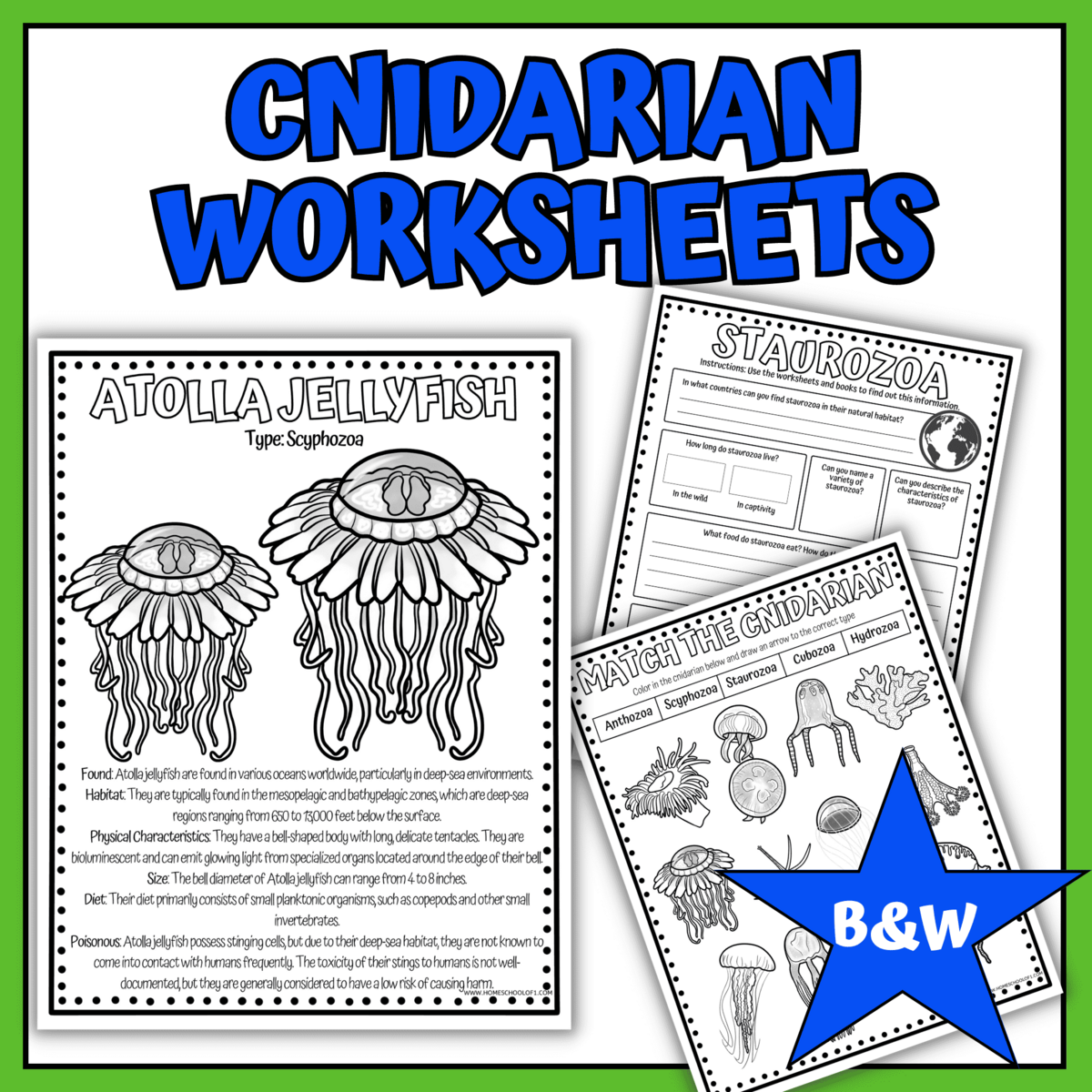
Cnidarians Jellyfish Worksheets
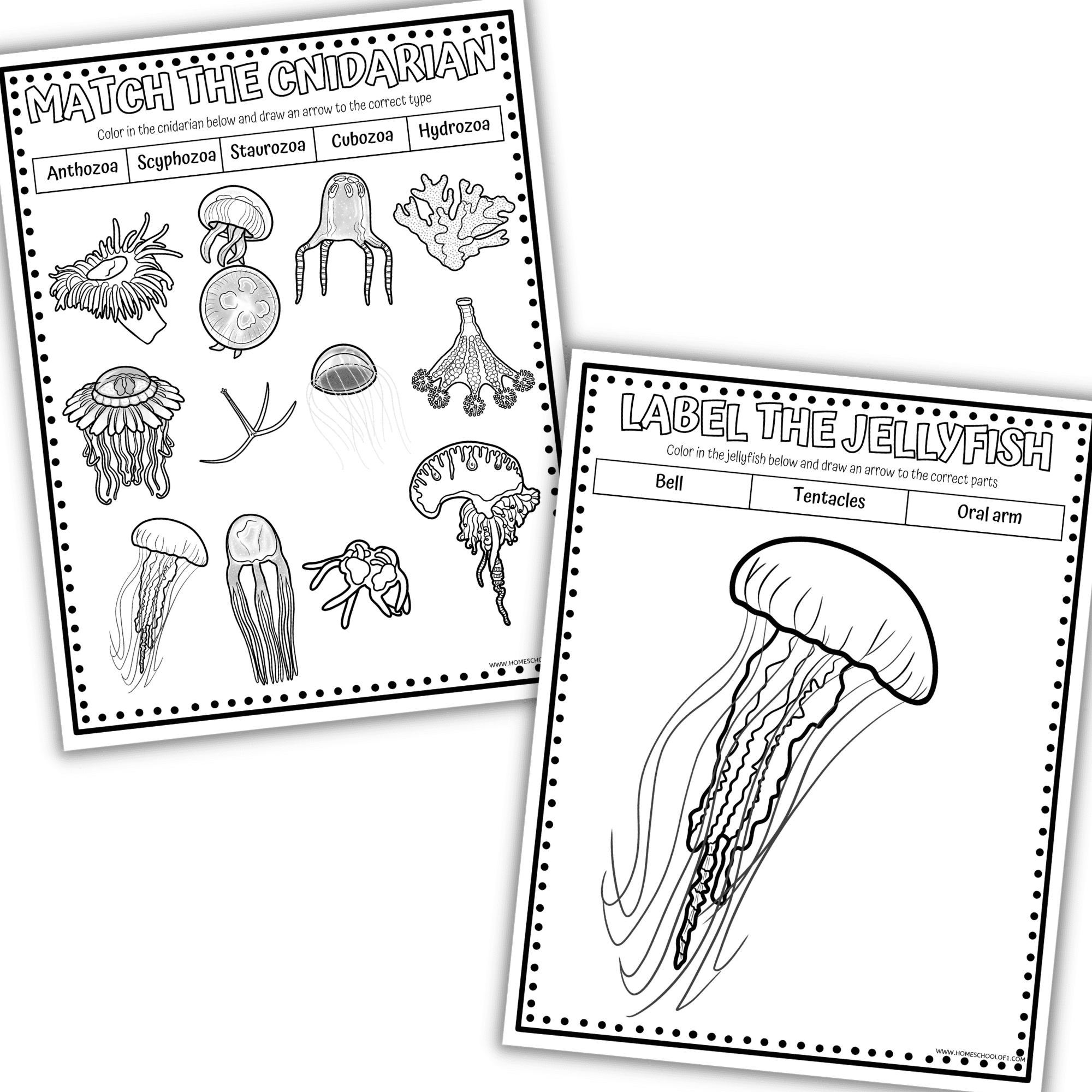
Cnidarians Jellyfish Worksheets