Grammar is a fundamental aspect of language learning, and understanding the difference between transitive and intransitive verbs is crucial for effective communication. Verbs are words that express actions, occurrences, or states of being, and they can be classified into two main categories: transitive and intransitive. Transitive verbs are those that take an object, whereas intransitive verbs do not. For instance, in the sentence ‘She threw the ball,’ ‘threw’ is a transitive verb because it takes the object ‘ball.’ On the other hand, in the sentence ‘She laughed,’ ‘laughed’ is an intransitive verb because it does not take an object.
Mastering the concept of transitive and intransitive verbs can be challenging, especially for students who are new to grammar. However, with the right resources and practice, anyone can become proficient in identifying and using these verbs correctly. One of the most effective ways to learn and practice grammar is through worksheets. Free printable worksheets on transitive and intransitive verbs can provide students with a comprehensive and engaging way to learn and practice grammar skills. These worksheets can include exercises such as identifying transitive and intransitive verbs in sentences, filling in the blanks with the correct form of the verb, and creating sentences using transitive and intransitive verbs.
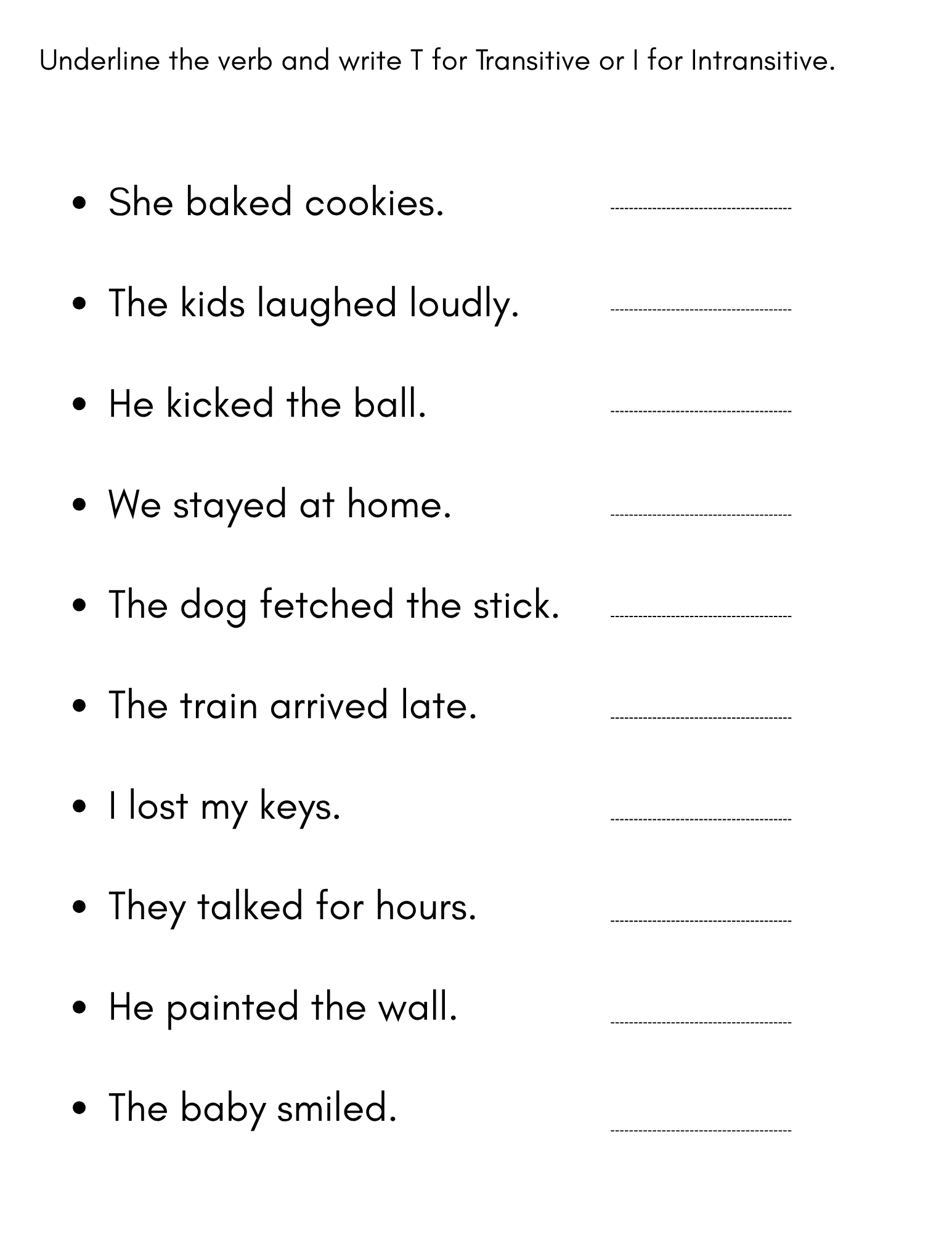
Transitive And Intransitive Verbs Exercises With Answers Made By Teachers
Understanding Transitive Verbs
Transitive verbs are verbs that take an object, which can be a noun, a pronoun, or a phrase. They are used to describe actions that are directed towards something or someone. For example, in the sentence ‘He ate the sandwich,’ ‘ate’ is a transitive verb because it takes the object ‘sandwich.’ Other examples of transitive verbs include ‘write,’ ‘read,’ and ‘buy.’ Understanding transitive verbs is essential for constructing grammatically correct sentences and for effective communication.
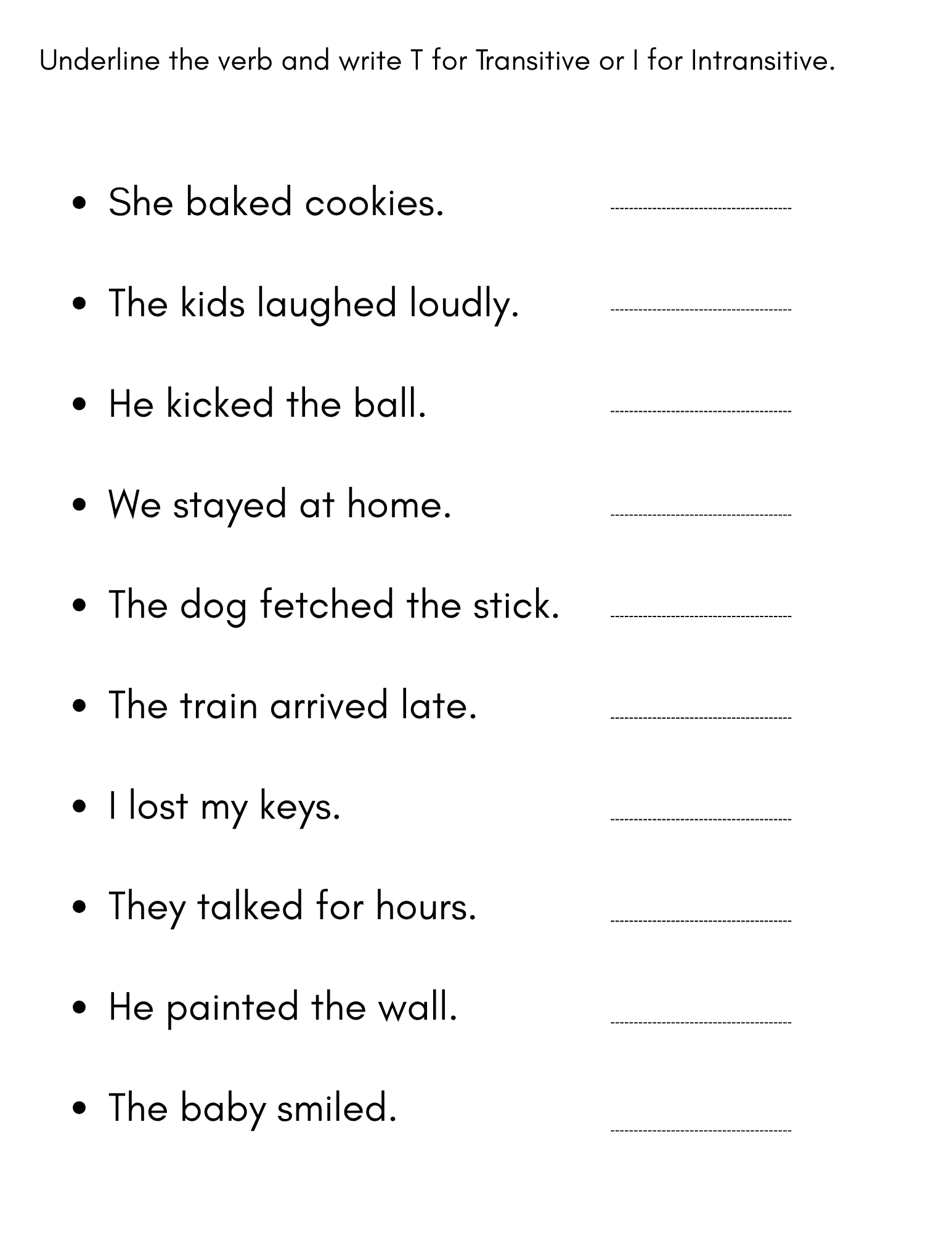
Transitive And Intransitive Verbs Exercises With Answers Made By Teachers
Understanding Intransitive Verbs
Intransitive verbs, on the other hand, are verbs that do not take an object. They are used to describe actions or states of being that are not directed towards something or someone. For instance, in the sentence ‘She slept,’ ‘slept’ is an intransitive verb because it does not take an object. Other examples of intransitive verbs include ‘laugh,’ ‘cry,’ and ‘sleep.’ Intransitive verbs can be used to describe a wide range of actions and states, from physical activities like running and jumping to emotional states like happiness and sadness.
Practicing with Free Printable Worksheets
Practicing with free printable worksheets on transitive and intransitive verbs can help students develop a deeper understanding of grammar and improve their language skills. These worksheets can include a variety of exercises, such as multiple-choice questions, fill-in-the-blank exercises, and sentence completion exercises. By working through these exercises, students can develop their ability to identify and use transitive and intransitive verbs correctly, which can help them become more effective communicators. Additionally, free printable worksheets can be a convenient and cost-effective way to practice grammar, as they can be downloaded and printed at home or in the classroom.
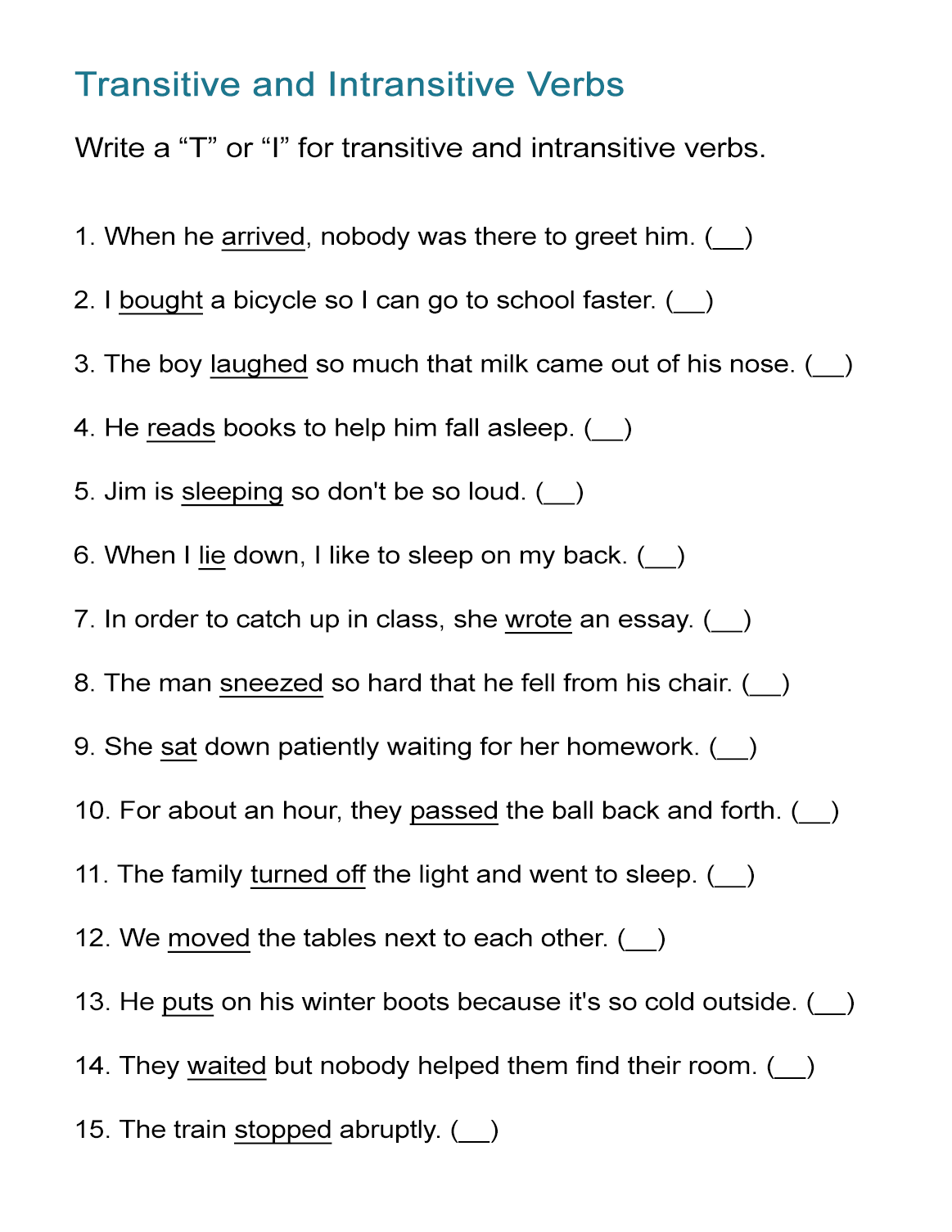
Transitive And Intransitive Verbs Worksheet ALL ESL
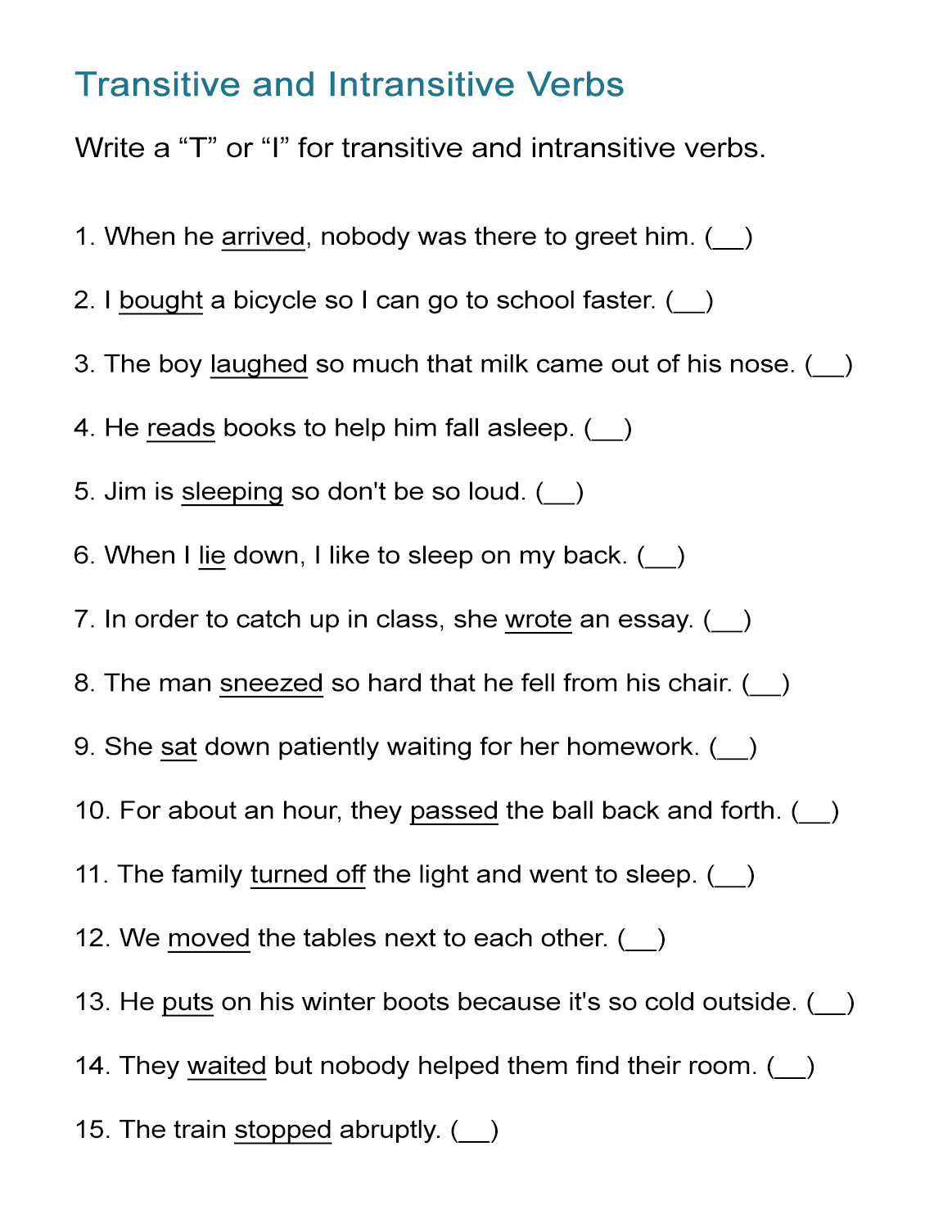
Transitive And Intransitive Verbs Worksheet ALL ESL
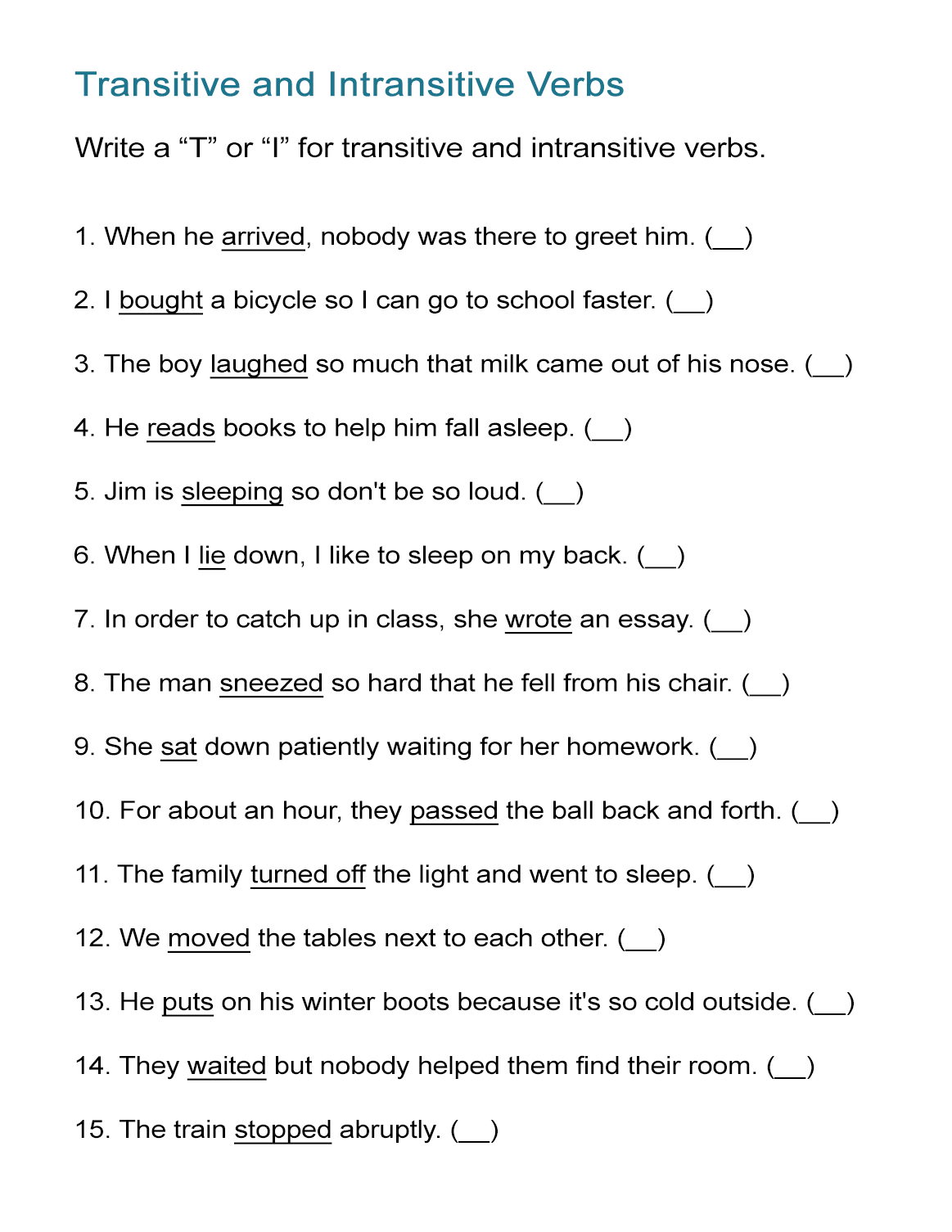
Transitive And Intransitive Verbs Worksheet ALL ESL